Driveway Cleaning in Fargo: Stain Types, Safety Risks, and When to Call a Pro
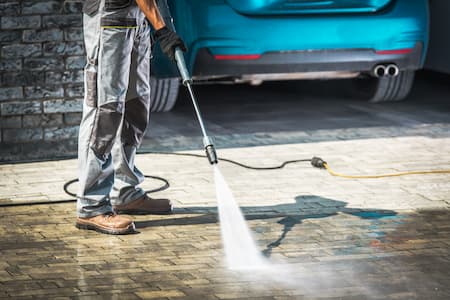
Driveway cleaning in Fargo is not just about curb appeal. Our long winters, road salt, and summer storms are tough on concrete and asphalt. If you want a surface that looks sharp and stays safer underfoot, a professional driveway cleaning service helps lift stains, reduce slip hazards, and protect your investment.
Whether you live near West Acres, Osgood, or Downtown Fargo, the freeze-thaw cycle and everyday traffic leave marks you can see and some you can’t. Below, you’ll find the most common stain types in Cass County, how they affect traction, and clear signs it’s time to bring in a Fargo pressure washing team you can trust: Careful Clean.
What Fargo Weather Does to Concrete Driveways
Fargo winters are cold and dry, but snowpack, plow spray, and deicing salts get tracked across driveways for months. Those salts work their way into pores in concrete, holding moisture that expands and contracts as temperatures swing. That movement opens tiny capillaries where oil, rust, and tire residue take hold.
In spring, sand and grit from winter traction can act like sandpaper under tires. Summer sun then bakes in tire marks, and oil drips from warm engines. Fall leaves settle into low spots and release tannins that tint the surface. Over time, this seasonal cycle makes stains darker and harder, and it can turn a once light-gray slab patchy and slick after rain.
Common Stain Types on Fargo Driveways
Each stain tells a story. Knowing what you’re looking at helps you understand why it sticks and how pros target it during concrete pressure washing.
- Oil and grease spots: Dark, rounded patches from parked vehicles. They spread with heat and turn slick after rain.
- Rust streaks: Orange-brown trails from metal tools, rebar bleed-through, irrigation iron, or battery drip.
- Tire marks: Black arcs where cars turn, especially near garage entries and short-radius driveways.
- Leaf and tannin stains: Tea-like blotches under trees, common after fall piles or snow-covered leaves.
- Fertilizer and hard-water rings: Pale or crusty edges from lawn products and sprinkler overspray.
- Algae and mildew film: Thin green or gray haze in shaded, damp areas that becomes slippery when wet.
- Efflorescence: Powdery white film from mineral salts migrating to the surface as concrete breathes.
Many Fargo homeowners see more than one of these at the same time. The mix often changes from North Fargo to Southpointe depending on shade, tree cover, and how often vehicles sit in one spot.
Safety Risks You Might Not See
A clean driveway isn’t only about looks. Oil sheen and algae film reduce traction even when the slab appears dry. Add a light rain, early frost, or spring meltwater, and those slick spots become a fall risk for kids, delivery drivers, and neighbors.
Hidden biofilm can be as slippery as ice. On shaded side yards or north-facing aprons, a thin layer of organic buildup creates a near-invisible hazard. Rust and mineral scale are not just cosmetic either. They can hold moisture against the concrete, making freeze-thaw damage more likely and shortening the life of your surface.
Vehicles tracking deicing salt from local streets also leave a residue that attracts water. That moisture lingers in pores and hairline cracks. When temperatures drop overnight in March or April, tiny freeze events repeat and widen the damage. Regular, slip-resistant driveway cleaning removes these residues and helps the surface dry faster after storms.
When to Call a Pressure Washing Pro
Driveways look simple, but concrete and asphalt vary by mix, age, and finish. The right approach matters. Consider calling a pro if you notice:
- Wide, dark oil stains that reappear soon after rain or vehicle parking
- Tire arcs at the garage that resist rinsing and seem to darken in the sun
- Orange rust shadows under hoses, downspouts, or irrigation heads
- Shaded, slick patches where feet or bike tires slip after a drizzle
- Pitted areas or light flaking near joints where salts and water collect
Professional technicians evaluate the surface, choose detergents that break bonds with oil and rubber, and set pressure and flow to clean without scarring. If you’re freshening up the exterior for a listing or HOA inspection, pairing driveway work with residential pressure washing on the front walk, steps, and stoop creates a consistent look from curb to door.
How Pros Handle Oil Stain Removal and Concrete Pressure Washing
Here’s what separates professional work from a quick rinse. It starts with identifying the stain, testing porosity, and selecting a method that cleans while respecting the surface. Oil bonds deep in warm, porous concrete, so pros choose specialty degreasers and dwell times designed to pull contaminants out before rinsing. Tire polymers behave differently from motor oil, so they require different chemistry and temperatures to release.
Using the wrong pressure or tip can etch concrete permanently. That’s why professional teams rely on calibrated equipment and rotary surface cleaners for even results. Controlled heat and flow help lift residues without leaving stripes. Technicians also manage water so it does not reach flower beds or storm drains, and they neutralize as needed before final rinses.
For rust, pros use targeted treatments that reduce the stain without bleaching the slab. For algae and biofilm, they apply solutions that sanitize the pores and slow their return. When businesses around West Fargo need parking-lane cleanup after a messy winter, they often pair entryways with commercial pressure washing to keep walk paths consistent and safer for customers.
Slip-Resistant Driveway Cleaning for Safer Walks
Slip-resistant driveway cleaning aims to improve traction, not change the finish. The goal is to remove oils, algae, and fine silt that act like tiny ball bearings underfoot. After a proper washing and rinse, the surface feels more like clean concrete should.
Traction improves when pores are free of residue. That’s especially important near mailboxes, side doors, and the apron in front of the garage where most foot traffic occurs. Families in Osgood and Harwood often notice fewer slick patches at dawn and after sprinklers run once oil film and bio-growth are gone.
Local Considerations Across Fargo Neighborhoods
Neighborhoods across Fargo see different driveway challenges. In mature areas like North Fargo and Prairiewood, large shade trees add leaf-tannin stains and cooler slabs that encourage algae. In new builds around Rocking Horse Farm or the southern edges of town, clay soils and construction dust become a light film that sticks to damp concrete. West Acres and downtown corridors collect tire soot and parking debris, especially near busy streets.
Some properties near the river bottoms or on private wells see iron-rich irrigation that leaves rust freckles and bands along the driveway edge. Others get white rings where hard water evaporates. In winter, the mix of city plow spray and parking stall runoff tends to build up along the first car-length inside the apron. Season-aware cleaning restores color and helps water sheet off instead of soaking back in.
Local tip: Plan driveway cleaning right after the spring thaw or before the first hard freeze. Fargo’s big temperature swings in April and October make it the perfect time to clear salts and grime so moisture doesn’t linger in pores.
Why Professional Driveway Cleaning Beats a Quick Rinse
Hoses move loose dust, but bonded stains need more. Oil and tire polymers crosslink with heat and time, which is why they seem to “come back” after it rains. Pros break those bonds and rinse evenly, so you don’t end up with bright circles and dull halos that draw the eye.
Even results matter to curb appeal and resale. A driveway that looks evenly clean sets up the entire front elevation, from the garage door to the sidewalk. If you’ve just refreshed siding or trim, pairing the new look with uniform concrete makes colors pop and keeps photographers from framing out the driveway during listing photos.
The work also supports safety. Removing algae film and oily residues reduces slips after dew, sprinklers, or a quick shower. Parents notice it when kids ride scooters on the apron, and visitors feel it when stepping out of a car on a rainy day.
Oil Stain Removal: What Makes It So Stubborn?
Oil is a mix of heavy and light hydrocarbons. Warm engines drip small amounts that spread across the slab, then wick into pores. Fargo’s summer heat thins oils so they soak deeper, while winter lets residue sit for months without evaporating. That combination creates dark “shadows” that simple rinsing won’t touch.
Professional oil stain removal pairs the right cleaner with controlled dwell time and a finish rinse that carries contaminants out of the pores. The result is a more natural, even color that blends with older concrete. On fresher slabs, careful technique helps preserve the cream layer so the surface ages evenly.
If you’re comparing options across town, remember that each driveway has a unique history. A north-facing slab in North Fargo behaves differently from a sun-baked pad in South Fargo. That’s why working with a trusted local team like Careful Clean is important. You get recommendations that fit your block, your shade, and your traffic patterns.
Pairing Driveway Cleaning With Other Exterior Refreshes
You get the biggest impact when everything visible from the curb looks consistent. Many homeowners schedule driveway work alongside porch steps, front walk, and stoop to unify the tone of the concrete. If you’re tackling a bigger refresh, adding siding, brick, and fence washing under the umbrella of residential pressure washing creates a clean, bright path from the street to the door.
If you manage a small office or storefront in West Fargo or Moorhead, combining your lot entry and sidewalks with commercial pressure washing keeps foot traffic safer and your first impression strong.
How Often Should Fargo Homeowners Clean Their Driveways?
Frequency depends on shade, tree cover, parking habits, and how much salt or sand reaches your slab. Most Fargo properties benefit from a thorough cleaning at least once a year, with spot work near the garage apron if another vehicle starts leaking. Homes under mature trees or with heavy sprinkler overspray may need attention twice a year to manage tannins and mineral rings.
For many families, an annual service after the last big freeze gives the best return. It removes winter residues before summer sets the stains deeper and helps water move off the surface during spring storms.
To learn more about services around Cass County and the Red River Valley, explore driveway cleaning options with Careful Clean. You’ll see how coordinated exterior care makes each part look its best without overcleaning or risking damage.
Ready for a Cleaner, Safer Driveway?
If your driveway has dark oil spots, orange rust trails, or slick patches after rain, you don’t have to live with them. Schedule professional treatment designed for local weather and materials. Reach Careful Clean at 218-849-5696 or schedule driveway cleaning today so your surface looks sharp and feels sure underfoot.
Prefer to plan ahead for spring or fall? We’ll help you pick the right window for your block and shade, and we’ll coordinate with other exterior care so everything finishes together. When you’re ready, start with our driveway cleaning service and get the curb appeal and traction your home deserves.