Paver Cleaning Mistakes That Cause Sand Loss (and How Pros Prevent It) in Fargo, ND
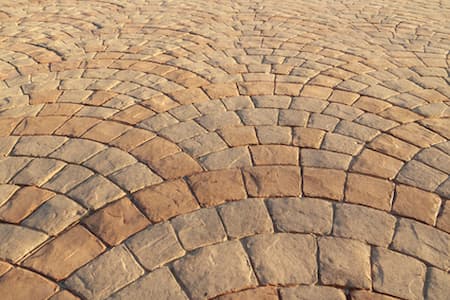
Paver cleaning in our Red River Valley climate needs a careful touch. When it is done the wrong way, water and pressure can blow out joint sand, loosen edge restraints, and leave pavers wobbly. When it is done the right way, your patio or driveway looks fresh, drains better, and the joints stay tight. If you are researching options, you can see exactly how our team approaches professional results on our paver cleaning service page, or learn more about paver cleaning in Fargo, ND from Careful Clean before you schedule.
Why Sand Washout Happens On Fargo Pavers
Joint sand locks each unit in place and helps your surface shed water. In Fargo, spring snowmelt, summer cloudbursts, and fall freeze-thaw swings push moisture through the joints and across the surface. If someone points high pressure straight at those joints, the water stream acts like a nozzle in a sandbox and the filler disappears.
There is another local factor. Our winters often require de-icers on steps and walkways. Some products dissolve or weaken joint sand and can draw out minerals that later show up as a white film. That is why pros pair the right cleaning chemistry and pressure with the right joint stabilization plan for pavers in neighborhoods from Osgood to North Fargo and out into West Fargo and Horace.
Costly Paver Cleaning Mistakes To Avoid
Most complaints we hear after a “quick wash” come back to a few repeatable errors. Here are the big ones that damage joints and shorten the life of your hardscape:
- Pointing a narrow, close-range jet into the joints that vacuums out sand and undercuts the bedding layer.
- Using a surface cleaner too fast or too slow, which leaves swirl marks and pulls material from weak joints.
- Skipping stain pre-treatments, then chasing oil or rust with more pressure that scours the paver face.
- Cleaning during a bad weather window so meltwater, rain, or overnight frost keeps joints wet and unstable.
- Sealing right after washing without addressing efflorescence or moisture, which locks in haze and streaks.
Each mistake starts small. Over a season or two, though, the patio settles, ants move in, and the pattern opens up. That is why trained techs set a process and stick to it, no matter if the project is a downtown Fargo townhouse walkway or a wide driveway off 45th Street.
How Pros Protect Polymeric Sand During Cleaning
Polymeric sand is a blend that hardens when activated correctly and allowed to dry. It resists weeds and washout better than plain sand. But it still needs care when you clean. Here is how professionals keep it intact while lifting grime and organics:
- Start with chemistry, not force. Organic growth responds to a targeted cleaner, so joints are not blasted to get results.
- Use controlled pressure and consistent distance so water energy stays above the surface, not inside the joints.
- Work with a surface cleaner at a steady pace to avoid stripe patterns and hot spots at the edges.
- Rinse from high to low and from the field to the edge restraints to keep flow off the joints, not through them.
Even with good technique, some older joints need touchups. A pro evaluates joint depth and integrity after the wash, then stabilizes what is needed so the surface leaves tight and ready for weather.
Local insight: Around Fargo and Moorhead, early spring cleaning often runs into cold nights. If joint sand or the paver body stays damp, sealing or joint stabilization can trap moisture and haze. Aim for a dry, mild stretch or let your technician recommend the best window for your block.
Efflorescence vs. Poly Haze: What You See After Cleaning
Many homeowners see a chalky film and assume something went wrong. It helps to know the difference:
Efflorescence is a white salt deposit that wicks to the surface as pavers dry. It can appear after snowmelt or heavy summer rain, even if no one touched the patio. Pros spot it by the uniform dusting and how it returns after rinsing. They choose the correct efflorescence remover, neutralize, and rinse so the surface is ready for sealing later.
Poly haze is a plastic-like film from polymeric sand that was over-watered or moved onto the face of the paver. It shows as a patchy sheen and does not brush away. Removing it safely requires product-specific approaches and timing. The goal is restoring color without grinding the face of the paver.
Both issues are manageable when caught early. Addressing them before sealing is key, and that is one reason our crews build in time for testing and inspection between cleaning steps.
Pro Sealing Prep Checklist For Long-Lasting Joints
Sealer can lock in a great result, but only when the prep is right. Here is the quality checklist the Careful Clean team follows before a seal coat goes down on Fargo-area pavers:
- Surface is visibly clean with stains pre-treated. For oils and rust near garages or grills, we coordinate with rust and oil removal so pressure stays low and color stays even.
- Efflorescence is addressed and the surface neutralized so chemistry does not fight the sealer.
- Joints are sound: sand depth meets manufacturer guidance and polymeric sand, if used, is properly activated and dry.
- Moisture passes the test: the pavers are dry through the body, not just on top. In our climate, that often means adding an extra drying day after a wash.
- Weather window is set: no freezing nights, steady daytime temps, and low chance of pop-up storms for the curing period.
That discipline prevents the most common callbacks: blotchy finish, sand loss during the first hard rain, and slippery film in shaded spots.
What A Careful Cleaning Looks Like On Real Driveways And Patios
Heavy traffic areas collect oil drips, fertilizers, and rust from patio furniture. Hitting those with raw pressure almost always leaves rings or chewed edges. Instead, pros pre-treat stains, allow dwell time, and then lift residues with controlled passes. If you are curious why this order matters, our article on driveway cleaning in fargo explains how chemistry and timing protect surfaces while removing tough spots.
Walkways through Bluemont Lakes or near the river often host algae blooms after wet weeks. A low-pressure, cleaner-first approach neutralizes the growth so it does not return right away. The finish is a uniform clean that lasts, not a tiger-stripe pattern that shows every swing of a wand.
Seasonal Realities In Fargo, ND That Change The Plan
Fargo’s yearly weather rhythm affects everything about joint stability and sealer performance. Spring saturation and overnight chills slow dry times. Mid-summer heat can flash-dry chemistry and push crews to smaller sections so results stay even. Fall breezes add dust and leaves that can stick to uncured sealer if you rush. A local crew builds the calendar around those rhythms so your project lands in its best window.
Neighborhood context matters too. Newer streets in South Fargo gather road film that needs different detergents than the iron stains you might see near well-water irrigation in fringe areas. Homeowners in West Fargo often ask about sand loss on exposed, windy corners. Shielding joints from direct jets and stabilizing them after cleaning reduces that risk.
Why Technique Beats PSI For Protecting Joint Sand
You have probably seen viral videos that erase grime with one hard pass. The problem is that the same force chips the paver face, washes out joints, and drives water into the bedding layer. The professional mindset is different. We let the right cleaner break bonds, then rinse at safe pressures that protect the surface. That is how our team delivers curb appeal and stability with the same visit.
When a surface needs heavier work, we do not “turn it up.” We change tools, chemistry, or approach so the joint system is never the weak link. That is also why we often pair paver service with nearby professional paver cleaning on steps or landings to keep everything consistent across the space.
How Pros Judge When To Reseal
There is no one-size answer for sealing timelines in our area. Sun exposure in an open backyard off 52nd Avenue South is not the same as a shaded courtyard in Downtown Fargo. Film-forming sealers change the look and need routine refreshes, while penetrating sealers leave a natural finish and may last longer between coats. The best timing blends how the surface behaves after rain, how it looks in full sun, and whether joints still shed water instead of soaking it up.
What matters most is that sealing is the last step, not the bandage for a rushed clean. Address stains, efflorescence, and joints first. Then, with a dry, stable surface, sealing can do its job: enhance color, repel water, and reduce future cleanup effort.
Signs You Need A Professional Inspection
Wobble underfoot, sand ridges after storms, and widening gaps are not just cosmetic. They are early warnings that the joint system is failing. A brief visit from a trained tech can save the season by stabilizing joints, resetting a few units, and planning a proper clean. If a driveway or patio is already stained or slick, pairing stain care with joint work avoids doubling back later.
Ready For Clean Pavers Without Sand Loss?
If you want the look of fresh pavers and joints that hold up to Fargo weather, choose a process that protects the system, not just the surface. The crews at Careful Clean clean with chemistry-first methods, keep pressure safe, address efflorescence and stains, and stabilize joints before they leave. That is how you get a uniform finish that lasts through snowmelt and summer storms. When you are ready, talk with our paver cleaning specialists or call 218-849-5696 to plan the right window for your home.